

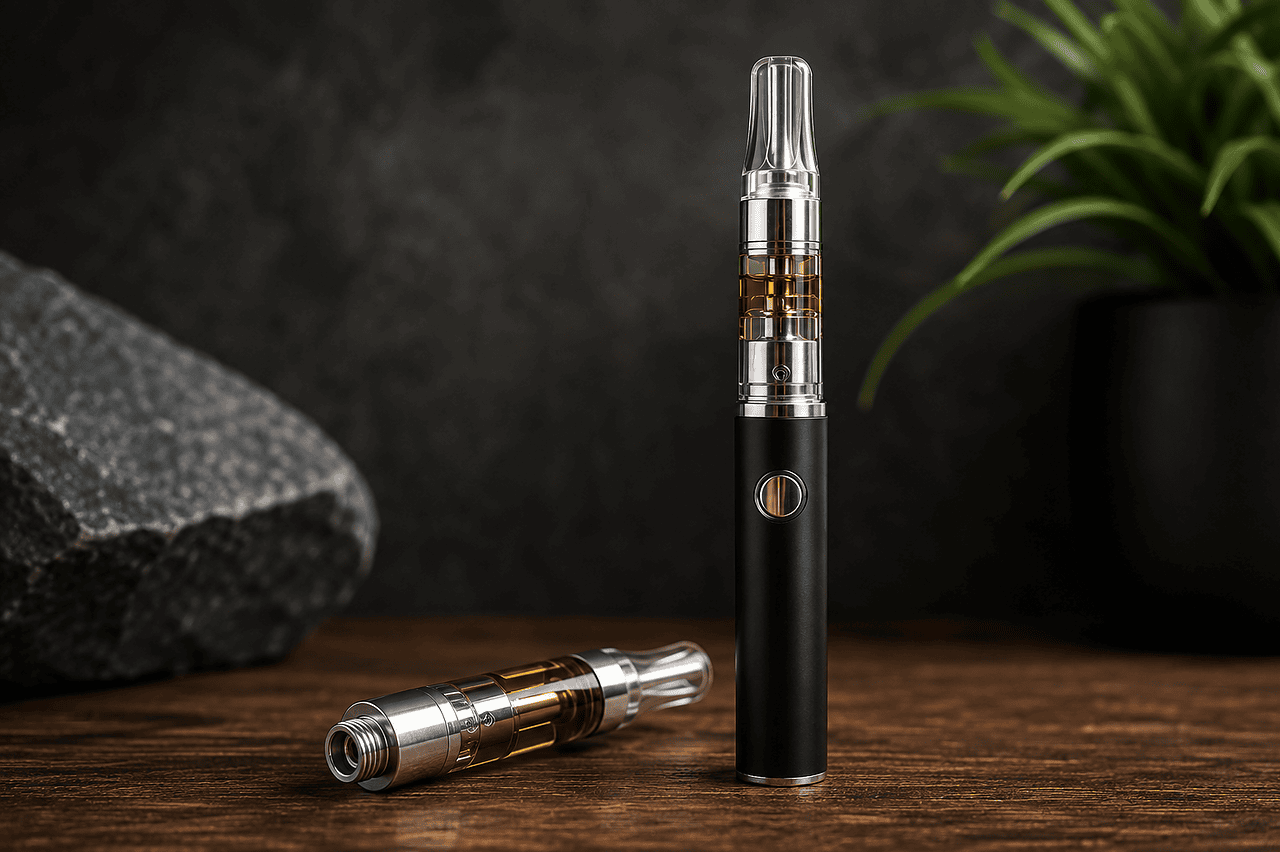
A vape pen that isn’t hitting is usually caused by a loose connection, a clogged airflow path, condensation buildup, or a battery that needs charging — not necessarily a defective device. Before assuming a vape pen or cartridge needs to be replaced, a few quick checks often solve the problem in under a minute.
Few things are more frustrating than pulling out a vape pen expecting a smooth hit and getting nothing but a faint gurgle or no vapor at all. Before assuming the device is broken, it’s worth working through the handful of common causes first, since most issues have a simple fix.
Check the Connection First
For cartridge-and-battery setups, a loose or misaligned connection is the single most common cause of a vape not hitting. Unscrew the cartridge completely, check that the threading isn’t cross-threaded or dirty, and screw it back on snugly but not overly tight. A small amount of oil residue at the connection point can also interfere with contact — wiping it gently with a cotton swab often restores a solid connection.
Look for Clogs in the Airflow Path
Cannabis oil naturally thickens in cooler temperatures, and that thickened oil can partially block the small airflow channels inside a cartridge or disposable, especially if the device has been sitting unused or somewhere cold. Gently warming the device — rolling it between your palms for thirty seconds or so — often loosens thickened oil enough to clear the blockage. Avoid using an open flame or excessive heat, which can damage the device or degrade the oil.
Condensation Buildup
If a device has recently come from a cold environment into a warm one, condensation can form inside the airflow path, temporarily blocking vapor production. This typically resolves on its own after the device sits at room temperature for a few minutes, and gently clearing the mouthpiece with a few short breaths (without inhaling) can help move any trapped moisture along.
Convenience and Battery Life
Disposables win clearly on simplicity. There’s no battery to charge, no threading to match, and no risk of a cartridge outlasting a dying battery or vice versa. Cartridge setups require charging a battery periodically and occasionally troubleshooting connection issues between the cartridge and battery, but they also give you the flexibility to switch between different cartridges — different strains or formulations — using the same battery, something a disposable can never offer.
Battery-Related Issues
For cartridge setups, a battery that’s low on charge, turned off, or not set to the right voltage for the cartridge can all produce weak or absent vapor. Check that the battery is fully charged, confirm it’s powered on if it has a button, and if it has adjustable voltage settings, try a slightly higher setting, since thicker oils sometimes need more heat to vaporize properly. For disposable vapes, a dead battery typically means the device has reached the end of its life, since there’s no way to test or replace the battery separately.
Why a New Cartridge or Disposable Sometimes Doesn’t Hit Right Away
It’s not unusual for a brand-new cartridge to be a little slow to hit on the very first draw, since the wick or airflow path hasn’t fully saturated with oil yet. A few gentle primer draws — without necessarily inhaling — before the first full use can help the oil work its way through the airflow path evenly.
Burnt or Harsh Taste Instead of No Vapor
A related but different problem is a burnt taste rather than no vapor at all. This usually means the heating element is running hotter than the oil can keep up with, often from drawing too hard, too fast, or from a device nearing the end of a cartridge’s oil supply. Slower, gentler draws typically resolve this, and if it persists on a fresh cartridge, a battery voltage that’s set too high is a common culprit.
When It’s Actually a Defective Device
If none of these fixes resolve the issue — the cartridge still doesn’t hit after checking the connection, warming the device, and confirming the battery is charged — the device itself may be defective. In that case, bringing the product and receipt back to the dispensary where it was purchased is the right next step, since a genuine defect is generally addressed directly by the retailer or brand rather than something to keep troubleshooting at home.
Troubleshooting a Pod System Differently
Pod systems share some of the same fixes as cartridges — checking the connection and confirming the battery is charged both still apply — but since the pod and battery are matched by the manufacturer, there’s usually less to adjust than with a universal 510 setup. If a specific pod isn’t hitting despite a charged, functioning battery, that typically points to the pod itself rather than a compatibility issue, since there’s no cross-brand threading to check.
When It Makes More Sense to Just Try a New Device
Troubleshooting is worth a few minutes, but it’s not worth an ongoing battle. If a battery has stopped holding a charge reliably, or a particular device consistently underperforms even with fresh cartridges, replacing the device is usually more practical than repeatedly working around a hardware issue that isn’t actually being fixed. This is also where it can help to revisit the broader comparison between disposable and cartridges if a particular format keeps causing more hassle than it’s worth for how you actually use it.
Preventing These Issues Before They Start
A handful of habits meaningfully reduce how often a vape stops hitting in the first place. Storing cartridges and disposables upright, at a stable room temperature rather than somewhere very cold or in direct heat, helps keep oil from leaking around the connection point or thickening more than usual once it’s time to use it. Screwing cartridges on snugly but not overly tight avoids both a loose connection and cross-threading damage that can be harder to fix later. Fully charging cartridge batteries rather than leaving them chronically low also helps maintain steady heat output, which reduces both weak hits and the burnt-taste problem that comes from a struggling battery trying to compensate. None of these habits eliminate every possible issue, but together they meaningfully cut down on how often you’re troubleshooting in the first place.
Getting the Right Setup From the Start
A lot of these issues are more common with certain device and oil pairings than others, which is part of why choosing a battery and cartridge combination that’s designed to work well together matters. Spliff Nation’s vape pen selection includes both disposables and cartridge-and-battery setups, and staff at any of the Miami, FL locations can help match a device to the oil you’re using if you’re running into recurring issues.
Frequently Asked Questions
Why is my brand-new vape cartridge not hitting?
New cartridges sometimes need a few gentle primer draws to let oil work through the airflow path evenly, and checking that the connection to the battery is snug and clean usually resolves the rest.
How do I unclog a vape cartridge?
Gently warming the device by rolling it between your palms for about thirty seconds often loosens thickened oil enough to clear a partial clog, without needing an open flame or excessive heat.
Why does my vape pen taste burnt instead of producing no vapor?
A burnt taste usually means the heating element is running hotter than the oil can keep up with, often from drawing too hard or a battery voltage set too high.
Why is my disposable vape blinking or flashing?
A blinking light on a disposable vape typically indicates a low or depleted battery, which usually means the device is near the end of its usable life.
Can condensation really stop a vape from hitting?
Yes. Moving a device from a cold environment to a warm one can cause condensation inside the airflow path, which typically clears on its own after a few minutes at room temperature.
Should I try to open or repair a vape cartridge myself?
No. Cartridges and disposables aren’t designed to be opened or repaired at home, and doing so can damage the device or create a safety issue; a genuine defect should be brought back to where it was purchased.
Why does a vape pen sometimes work fine one day and not the next?
Temperature changes affecting oil thickness, a battery that’s lost charge, or a connection that’s loosened slightly during storage or transport are the most common reasons a device’s performance changes from one day to the next.
Is a weak hit always a sign of a dying cartridge?
Not necessarily. A weak hit is often caused by a loose connection, thickened oil, or a battery that needs charging, and checking those first is worthwhile before assuming the cartridge itself is nearly empty or defective.
Are pod systems harder to troubleshoot than cartridges?
Not harder, just different. Since the pod and battery are matched by the manufacturer, there’s less to adjust, and a pod that won’t hit despite a charged battery usually points to the pod itself.
When should I just replace a device instead of continuing to troubleshoot it?
If a battery won’t hold a charge reliably or a device consistently underperforms even with fresh cartridges, replacing it is usually more practical than repeatedly working around an unresolved hardware issue.
What habits help prevent a vape from stopping mid-use?
Storing devices upright in a cool place, screwing cartridges on snugly without overtightening, and keeping batteries charged rather than chronically low all reduce how often issues come up.
Can using the wrong charger damage a vape battery?
Yes, potentially. Using a charger with a different voltage or current rating than the device is designed for can degrade the battery faster or, in rare cases, damage it, so sticking with the charger that came with the device or an equivalent replacement is the safer choice.
Does how a cartridge is stored affect how well it hits later?
Yes. Storing a cartridge on its side or upside down for extended periods can let oil settle unevenly or seep toward the mouthpiece, which can affect airflow and hit quality; keeping it upright when not in use helps avoid this.