

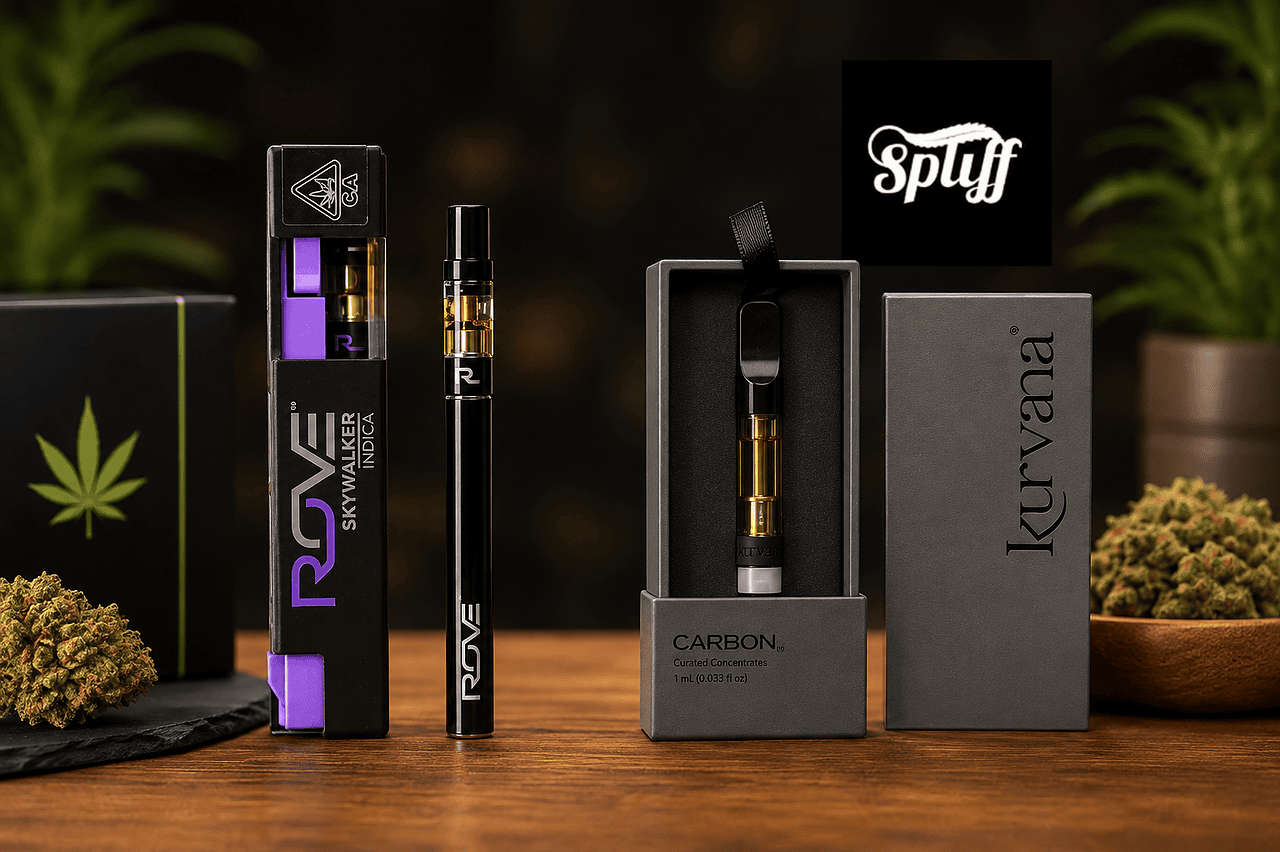
A disposable vape is an all-in-one device with a built-in battery that’s thrown away once it’s empty, while a 510 thread cartridge is a refillable oil cartridge that screws onto a separate, reusable battery. Spliff Nation carries both formats across its vape pen selection, and the right one usually comes down to how often you use it and how much control you want over your setup.
Walk into the vape section of any dispensary menu and the choice usually comes down to two formats: a disposable, all-in-one pen, or a cartridge that screws onto a battery you already own. Both deliver the same basic thing — vaporized cannabis oil — but how they get there, and what that means for your wallet and your routine, is genuinely different.
What a Disposable Vape Actually Is
A disposable vape comes as one sealed unit: battery, heating element, and oil are all built in from the start. There’s nothing to screw on, charge separately, or swap out. Once the oil runs out, or the battery dies, the whole device gets thrown away. This format is built entirely around convenience — no setup, no separate battery to remember, no compatibility to check.
What a 510 Thread Cartridge Actually Is
A 510 thread cartridge is just the oil-filled tank — the “510” refers to the industry-standard screw thread size that lets it connect to a separate, reusable battery. Once a cartridge is empty, you unscrew it, recycle or dispose of it, and screw on a new one, while the battery itself sticks around and gets recharged. This is the modular version of the same basic technology.
Cost Comparison Over Time
Disposables typically cost more per unit of oil, since you’re paying for a battery you’ll throw away every single time. Cartridges cost less per refill, but require an upfront investment in a battery, which usually pays for itself after just a few cartridge purchases. If you vape regularly, a cartridge setup is almost always the more cost effective path over time. If you vape occasionally, or you’re just trying a format for the first time, a disposable avoids that upfront cost entirely.
Convenience and Battery Life
Disposables win clearly on simplicity. There’s no battery to charge, no threading to match, and no risk of a cartridge outlasting a dying battery or vice versa. Cartridge setups require charging a battery periodically and occasionally troubleshooting connection issues between the cartridge and battery, but they also give you the flexibility to switch between different cartridges — different strains or formulations — using the same battery, something a disposable can never offer.
Which One Tends to Be Stronger
Potency comes down to the oil itself, not the delivery format, so neither disposables nor cartridges are inherently stronger. What does vary is battery output: some disposable and cartridge batteries heat oil at different temperatures and wattages, which can affect vapor density and flavor, even when the oil’s potency is identical. If a specific vaping experience matters more to you than raw potency, comparing battery specs is more useful than comparing formats.
Which Format Fits a Beginner
For someone new to vaping cannabis, a disposable is usually the simpler entry point — there’s less to learn and less that can go wrong mechanically. Once you know your preferences (favorite strains, preferred potency, how often you actually vape), a cartridge and reusable battery setup often makes more sense, both financially and in terms of variety.
Environmental Considerations
Disposables generate more waste per use, since the entire device — including the battery — is discarded each time. Cartridges reduce waste somewhat by reusing the battery across many refills, though the cartridge itself is still discarded when empty. Neither format is waste-free, but cartridges have a lower footprint per session over time.
Storing and Handling Either Format Properly
Both disposables and cartridges last longer, and perform better, when stored correctly. Heat and direct sunlight can degrade the oil inside either format over time, so keeping devices in a cool, dark place — a drawer rather than a car dashboard or a sunny windowsill — helps preserve flavor and potency. Storing a device upright, rather than on its side for extended periods, also reduces the chance of oil leaking around the seal, which is a more common issue with cartridges than disposables given the connection point between the cartridge and battery.
What Actually Happens When You Switch Between Formats
Shoppers who’ve used one format for a while sometimes hesitate to try the other, worried the experience will feel completely different. In practice, the vapor itself feels similar once you’re using comparable oil, since the core experience comes from the cannabis oil rather than the device housing it. What actually changes is the routine around it — remembering to charge a battery and match cartridge threading versus simply picking up a new disposable when the old one runs out. Trying a lower-cost disposable first is a reasonable way to test a new strain or brand before committing to a full cartridge and battery setup.
What About Pod Systems?
Disposables and 510 cartridges get most of the attention, but pod systems are a third format worth knowing about. A pod system uses a proprietary, brand-specific pod rather than a universal 510 thread, which typically means it only works with pods made for that specific device, unlike a 510 cartridge that fits a wide range of batteries. In exchange for that reduced flexibility, pod systems are often more compact and can offer a more consistent draw, since the pod and battery are engineered together as a matched pair. If you find a specific pod system brand and battery combination you like, it can be a genuinely convenient middle ground between a disposable’s simplicity and a 510 cartridge’s flexibility, though switching brands later usually means switching devices too.
If a Device Stops Working Properly
A device that won’t hit even after checking the connection and confirming the battery is charged may need more troubleshooting than a format comparison can cover. A separate breakdown of common vape troubleshooting steps walks through the most frequent causes — clogs, condensation, and connection issues — before assuming a device is simply defective.
Making the Right Choice for Your Routine
If you vape occasionally or want to try a strain without committing to a battery, a disposable is the easier starting point. If you vape regularly and want more control over cost and variety, a 510 cartridge and battery setup is generally the better long-term fit. Spliff Nation’s vape pen selection includes both disposable and 510 cartridge options across its Miami, FL locations, so you can compare formats directly before deciding.
Frequently Asked Questions
What’s the actual difference between a disposable vape and a cartridge?
A disposable vape is an all-in-one device with a built-in battery that’s discarded once empty, while a cartridge is an oil-filled tank that screws onto a separate, reusable battery.
Are disposable vapes stronger than cartridges?
Not inherently. Potency depends on the oil itself, not the device format, though differences in battery heat and wattage between devices can affect vapor density and flavor.
Which is more cost-effective, a disposable or a cartridge?
Cartridges are usually more cost-effective over time, since the reusable battery pays for itself after a few refills, while disposables cost more per unit of oil since a new battery is included every time.
Can you refill a disposable vape?
No. Disposable vapes are sealed units not designed to be refilled or reopened, which is part of why they’re priced differently than cartridges.
How long does a disposable vape typically last?
This depends on the oil capacity and how often it’s used, but most disposables are designed to be used up within days to a few weeks of regular use before the oil or battery runs out.
What does “510 thread” actually mean?
510 thread refers to a standardized screw-thread size used across most cartridge and battery manufacturers, which is why most 510 cartridges are compatible with most 510 batteries regardless of brand.
Is a cartridge or disposable better for a beginner?
A disposable is usually simpler for a first-time vape user since there’s no separate battery to manage, while a cartridge setup tends to make more sense once someone knows their preferences and vapes more regularly.
Do cartridges or disposables produce more waste?
Disposables generate more waste per use since the entire device, including the battery, is discarded each time, while cartridges reduce waste by reusing the same battery across multiple refills.
How should I store a vape cartridge or disposable to keep it fresh?
Keep either format in a cool, dark place away from direct sunlight and heat, and store it upright when possible to reduce the chance of oil leaking around the connection point.
Will a disposable and a cartridge with the same strain feel different to use?
The vapor itself feels similar once the oil is comparable, since the experience comes primarily from the oil rather than the device.
What changes is the routine — charging a battery and matching threading versus simply grabbing a new disposable.
What’s the difference between a 510 cartridge and a pod system?
A 510 cartridge fits a wide range of universal batteries, while a pod system uses a proprietary, brand-specific pod that typically only works with that brand’s own device.
Is a pod system better than a disposable or a 510 cartridge?
Not necessarily better, but it can offer a more consistent draw than a disposable and a more compact setup than a full cartridge-and-battery pairing, at the cost of being limited to one brand’s pods.
Related Products: