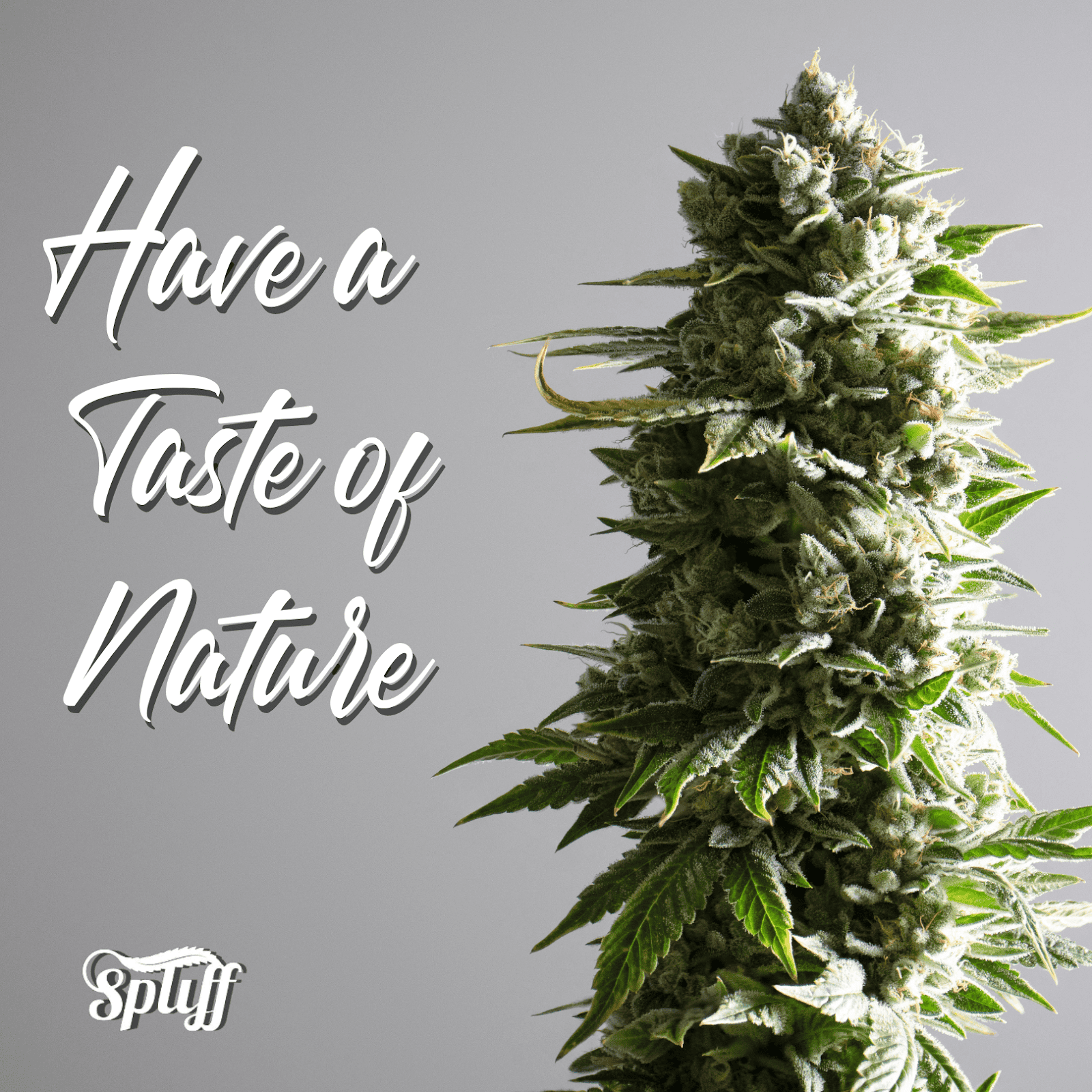

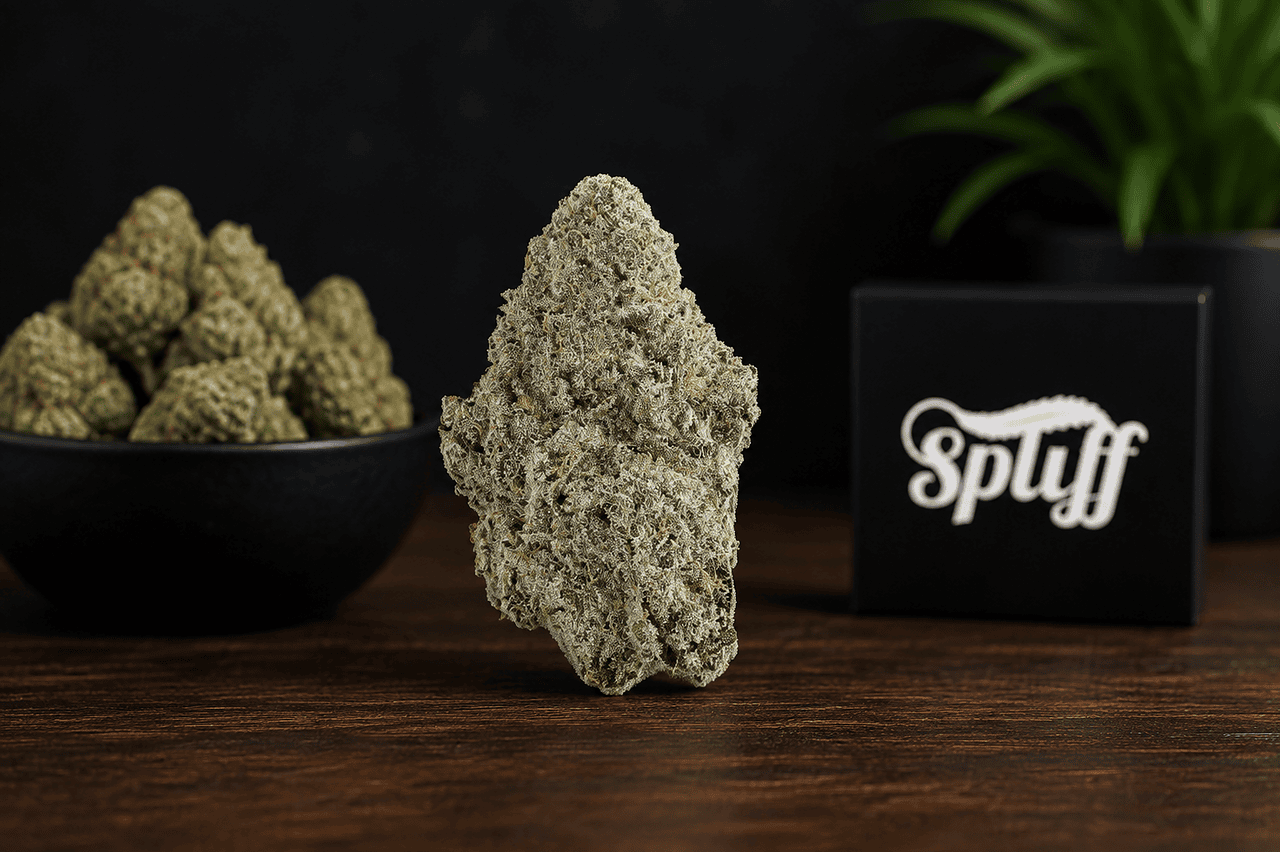
Indica, sativa, and hybrid originally described plant shape rather than effect, and while indicas are still generally associated with relaxation and sativas with energy, a strain’s terpene and cannabinoid profile predicts its actual effects far more reliably than that label alone. Spliff Nation’s flower selection is organized to help you choose based on both.
“Indica for sleep, sativa for energy” is the most repeated piece of cannabis advice out there, and it’s not entirely wrong — but it’s also not the full picture, and leaning on it alone can lead to a strain that doesn’t actually match what you were hoping for.
Where the Indica and Sativa Categories Actually Came From
The indica and sativa distinction originally referred to plant structure and growing characteristics — indica plants are shorter and bushier, sativa plants are taller and more slender — observations made by botanists classifying the plant, not by researchers measuring effects. The connection to relaxing versus energizing effects came later, based on general patterns growers and consumers noticed, not a strict biological rule tied to the plant’s shape.
What a Hybrid Actually Is
A hybrid is simply a strain bred from both indica and sativa genetics, which describes the vast majority of strains sold today. Because true, unmixed indica or sativa strains are increasingly rare, most “indica” or “sativa” labels on a shelf actually refer to a hybrid that leans more heavily toward one side than the other, rather than a pure representation of either category.
Why the Old Categories Don’t Fully Predict Effects Anymore
Modern cannabis breeding has crossed genetics so extensively that a strain’s indica or sativa lineage is a weaker predictor of its actual effects than it used to be. Two strains both labeled “indica” can produce noticeably different experiences, because the plant’s shape and growing pattern don’t determine its chemical makeup on their own.
What Actually Predicts a Strain’s Effects
Terpenes — the aromatic compounds responsible for a strain’s smell and flavor — play a major role in how a strain actually feels. Myrcene, common in many relaxing strains, is associated with sedating effects, while limonene, found in many citrusy strains, is associated with uplifted, energetic effects. Cannabinoid content matters too: THC percentage affects overall intensity, while the ratio of THC to CBD and other cannabinoids can shift the experience toward more or less anxious, clear-headed, or heavy. This combination of compounds working together is often called the entourage effect, and it’s a more reliable guide to expected effects than the indica, sativa, or hybrid label alone.
How to Actually Choose Flower Based on Desired Effect
Rather than relying only on the indica/sativa/hybrid label, checking the terpene profile listed on packaging — when available — gives a more accurate sense of what to expect. Looking for myrcene- or linalool-dominant strains generally points toward more relaxing effects, while limonene- or pinene-dominant strains tend to lean more energizing and clear-headed. Combining that terpene information with the general indica/sativa/hybrid label, rather than relying on either alone, gives the most reliable prediction available without formal testing of your own response.
Indica, Sativa, and Hybrid Still Have Some Value
None of this means the indica/sativa/hybrid system is useless — it remains a reasonably useful shorthand, especially as a starting point or when terpene data isn’t listed. It’s simply not the precise, reliable predictor many shoppers assume it to be, and pairing it with terpene information produces a much better match than the label by itself.
What This Means for a Beginner
For someone new to choosing flower, starting with a hybrid that leans toward the general effect you’re after — relaxing versus energizing — while also checking listed terpenes is a reasonable approach. Starting with a lower THC percentage regardless of category also gives a clearer read on how a specific terpene and cannabinoid combination actually affects you personally, since everyone’s response varies somewhat from strain to strain even within the same category.
What “Exotic Indoor” and “Top Shelf” Actually Mean
Beyond the indica, sativa, and hybrid label, flower menus often use quality-tier terms like “exotic indoor”, “top shelf”, or “value flower”, which describe growing conditions and overall quality rather than category or effect. Indoor-grown flower is cultivated in a fully controlled environment, which generally allows for more consistent temperature, humidity, and light exposure throughout growth, often resulting in denser trichome coverage and a more refined appearance and aroma. “Top shelf” and “exotic” typically signal a premium tier within that indoor category, usually reflecting specific genetics, more meticulous cultivation, or a particularly sought-after terpene profile. Value flower is generally still quality cannabis, just without the same premium cultivation techniques or rarer genetics, and priced accordingly. None of these tiers replace the indica/sativa/hybrid or terpene information — they run alongside it, describing quality and cultivation rather than expected effect.
How This Connects to Other Product Formats
The same terpene and cannabinoid principles that apply to flower carry over into other formats. A vape cartridge or disposable made from a specific strain’s oil generally reflects that strain’s terpene profile, and an infused pre-roll made with concentrate from a particular strain carries its effects and flavor into that format as well. Understanding what actually drives a strain’s effects at the flower level makes it easier to predict how that same strain will feel in a different product format.
Why Strain Names Alone Can Be Misleading
Strain names travel between growers and get relabeled along the way, so the same name can end up attached to genetically different plants depending on who grew it. A name like “Wedding Cake” or “Gelato” tells you something about lineage and reputation, but it doesn’t guarantee an identical terpene or cannabinoid profile every time, since growing conditions, phenotype selection, and even honest mislabeling by earlier growers in the chain can shift what actually ends up in the jar. This is part of why two batches of the “same” strain can feel noticeably different from one purchase to the next. Treating a strain name as a general reputation rather than a guaranteed formula, while checking the actual lab-tested terpene and cannabinoid numbers on that specific batch’s packaging when available, gives a far more accurate picture than the name alone. It’s the same logic that applies to the indica/sativa/hybrid label itself: useful as a starting point and a piece of the story, but not the whole picture on its own.
Getting Personalized Guidance
Because individual response to specific terpenes and cannabinoid ratios varies from person to person, the most reliable way to find flower that consistently matches what you’re looking for is trying a few different profiles and paying attention to what actually works for you. Staff across Spliff Nation’s Miami, FL locations can walk through the terpene and cannabinoid details of specific options in the flower selection if you’re trying to zero in on a particular effect.
Frequently Asked Questions
Does indica really make you sleepy and sativa make you energized?
Generally, yes as a broad pattern, but it’s not a strict rule — a strain’s terpene and cannabinoid profile predicts its actual effects more reliably than the indica or sativa label alone.
Is the indica vs. sativa distinction outdated?
It’s not useless, but it originally described plant shape rather than effect, and modern breeding has made it a weaker predictor of experience than terpene and cannabinoid content.
What is a hybrid strain exactly?
A hybrid is a strain bred from both indica and sativa genetics, which describes the vast majority of strains sold today, since pure, unmixed indica or sativa strains are increasingly rare.
What actually determines how a strain makes you feel?
Terpenes and cannabinoid content, working together in what’s often called the entourage effect, are more reliable predictors of a strain’s effects than its indica, sativa, or hybrid label.
Which terpenes are associated with relaxing effects?
Myrcene and linalool are commonly associated with more relaxing, sedating effects, and are often found in strains people describe as calming.
Which terpenes are associated with energizing effects?
Limonene and pinene are commonly associated with more uplifted, energizing, and clear-headed effects.
What should a beginner choose between indica, sativa, and hybrid?
Starting with a hybrid that leans toward the general effect desired, at a lower THC percentage, and checking listed terpenes when available is a reasonable starting approach.
Can two strains both labeled “indica” feel completely different?
Yes. Because breeding has mixed genetics so extensively, two strains sharing the same label can have different terpene and cannabinoid profiles, producing noticeably different effects.
What’s the difference between “top shelf” flower and regular flower?
“Top shelf” typically signals a premium tier of indoor-grown flower, reflecting specific genetics, more careful cultivation, or a sought-after terpene profile, rather than describing indica, sativa, or hybrid category.
Does a strain’s terpene profile carry over into vapes and pre-rolls made from it?
Yes. A vape or infused pre-roll made from a specific strain’s oil or concentrate generally reflects that strain’s terpene and cannabinoid profile, carrying similar effects into that format.
Can the same strain name feel different depending on where it was grown?
Yes. Growing conditions, phenotype selection, and how the name was passed along between growers can all shift the actual terpene and cannabinoid content, so checking that specific batch’s lab-tested numbers is more reliable than the name alone.
Should I trust the strain name or the lab results on the package more?
The lab-tested terpene and cannabinoid numbers for that specific batch are the more reliable guide, since a strain name reflects reputation and lineage rather than a guaranteed identical profile every time.